Luggage & Bags / Trip note
Measure a Carry-on for the Operating Airline and Route
Check the current operating carrier, fare, aircraft, and both bag dimensions and weight before treating a familiar suitcase as approved.
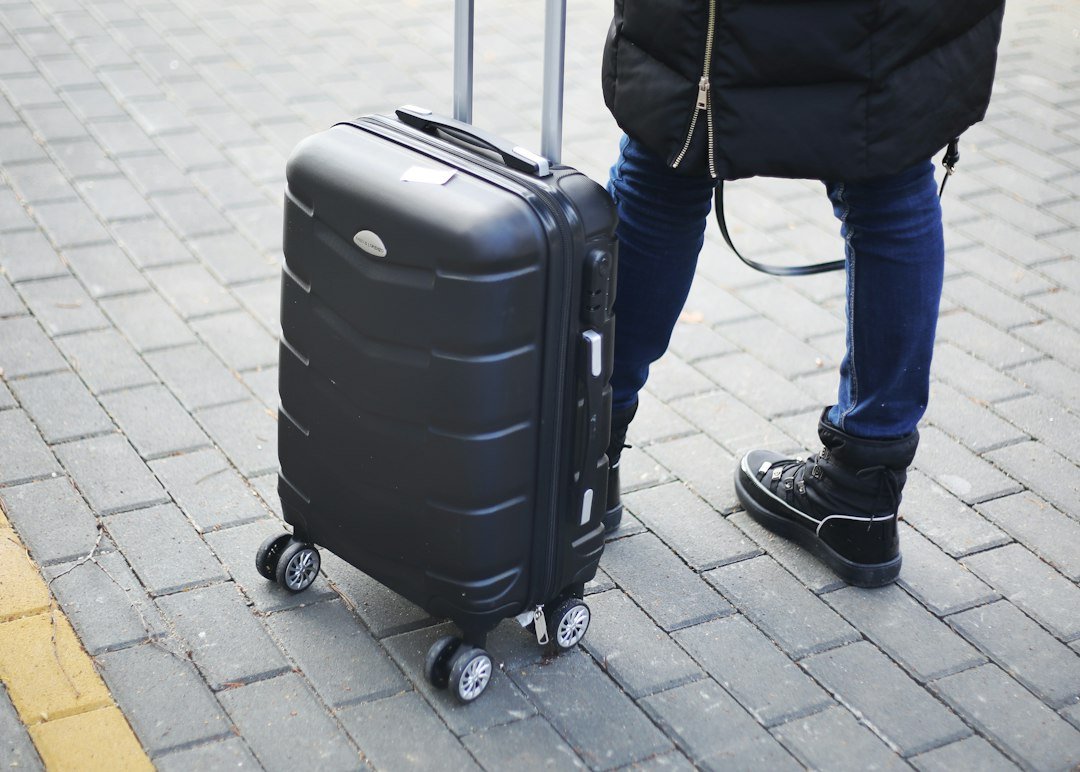
Measure the packed bag at its widest points and compare it with the operating carrier's current rules for every flight segment. The useful version should remain manageable at home, through the journey, at arrival, and on the return trip.
01 / Read the itinerary
Begin with the conditions that are already true.
What are the current carrier limits, transport changes, walking distance, stairs, storage, and handling demands? Write down the current operating carrier or transport plan, trip length, weather range, accommodation, laundry access, confirmed activities, walking or lifting demands, shared responsibilities, and the return route. Current official rules matter more than a general packing habit.
Check the current operating carrier, fare, aircraft, and both bag dimensions and weight before treating a familiar suitcase as approved. Treat uncertainty as a reason to verify the route, not as a reason to pack every possible solution.
02 / Use and pack first
Build one complete minimum before adding backups.
Put required documents, medication, one arrival layer, and irreplaceable items in the bag that stays with you. Put the required, irreplaceable, time-sensitive, and familiar items on the list first. Then check whether the trip can function with the bag, clothing, technology, or routine already available.
Lay the minimum out once, remove accidental duplicates, and keep a visible margin for imperfect repacking. A good list should reduce decisions at the destination instead of moving the clutter into a suitcase.
03 / Check fit, access, and return
The item has to work between places, not only in a product photo.
Check packed size, empty weight, closures, labels, comfort, cleaning, drying, compatibility, voltage or battery needs where relevant, and the number of times the item must be opened or moved. Include stairs, transfers, security inspection, small rooms, shared spaces, and tired arrival.
Run the return trip too. Used clothes, wet items, packaging, small purchases, depleted batteries, and less precise packing often need more space and simpler organization than the outbound journey.
04 / The product decision
Let the route name the job before a product names itself.
Buy only if the bag solves a repeated size, carry, protection, or access problem across more than one trip. Compare only products that solve that job. Check current dimensions, weight, materials, compatibility, care, warranty, replacement parts, shipping, return terms, and total cost. Prices, stock, rules, and product claims can change.
- Borrow, rent, share, adapt, or use a familiar item when that meets the confirmed need.
- Do not treat influencer packing volume, sale urgency, or a universal list as evidence of fit.
- Keep health, medication, mobility, battery, security, border, and safety questions with official or qualified sources.
- An affiliate link should not change the practical answer or create a purchase that the trip did not request.
05 / Save the next list
Bring home evidence for the next trip.
After returning, note what was used repeatedly, what stayed untouched, what caused searching, what leaked or wore badly, and what made departure or arrival easier. Refill, charge, clean, dry, repair, or retire travel items before putting them away.
Save the short list and the reason behind each unusual item. The next trip should begin with proven choices and fresh conditions, not with an ever-growing master list.
Field notes / before departure
Check the parts that change this decision.
- 01
Include wheels, handles, side pockets, and anything attached after packing.
- 02
A codeshare can place a different operating carrier's rule on one segment.
- 03
Weight limits can matter even when the shell fits the listed dimensions.
- 04
Recheck close to departure because baggage rules and fare conditions can change.
Write down the carrier, fare family, route, and the smallest allowance on the itinerary. Do not rely on a bag label, a retailer's generic cabin claim, or rules from a previous flight.
Route rehearsal
Run the awkward handoff before the real journey.
Buy a different bag only when the confirmed limit and the way you move through the route expose a repeated mismatch. A useful rehearsal follows the object, document, routine, or clothing system through packing, transport, inspection, use, temporary storage, and the return home. Note where another hand is needed, where the item becomes inaccessible, and where weather, delay, fatigue, or a rule change would break the plan.
Photograph the packed measurement and save the current rule page with the trip documents. Change one weak step at a time so the final setup remains easy to remember and repeat.
Stay on this route
Three more packing decisions from the same part of the trip.

Bags
Choose a Carry-on Size for the Airline and the Trip
Check the operating carrier, current dimensions, weight limits, wheels, handles, route changes, and how far the bag must be carried.
Open the trip note
Bags
Choose a Personal-item Bag Around What Must Stay Close
Start with documents, medication, valuables, phone power, one layer, and the first hours of the journey before comparing pockets.
Open the trip note
Bags
Compare Hard-shell and Soft-sided Luggage by the Route
Use protection, expansion, scuffing, outside pockets, storage at home, weather, and repair expectations instead of one universal winner.
Open the trip note